
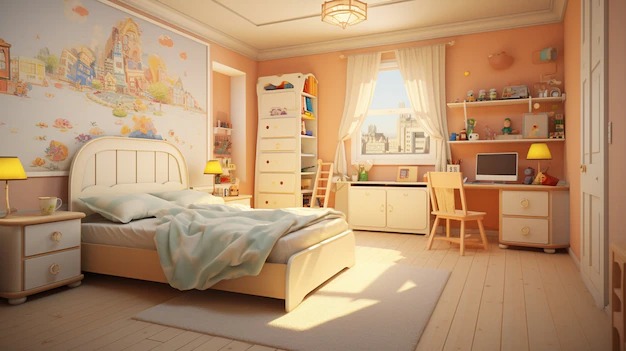
A bedroom often changes its purpose as people’s routines and needs develop over time. profixspace.com offers ideas for planning practical bedroom interiors that can remain useful through different stages of everyday life. A room designed for a young child may eventually become a study space, guest room, or personal retreat. Furniture that works today may become unsuitable after a few years. This does not mean every bedroom needs frequent renovation. It means the original design should allow some flexibility. Choosing adaptable furniture, sensible colours, and useful storage can reduce the need for major changes later. The room should remain comfortable while allowing personal interests and household requirements to develop naturally.
Plan Beyond Current Needs
It is tempting to design a bedroom only around the furniture and activities needed today. However, considering possible future changes can prevent expensive adjustments. A child may need more study space as schoolwork increases. A guest bedroom might later become a home office. A spare room may eventually need to accommodate another family member. These possibilities do not require exact predictions. A flexible layout simply leaves room for reasonable changes.
Start by identifying the features that are likely to remain useful. A comfortable bed, practical wardrobe, good lighting, and clear walking space are useful in most bedrooms. Decorative themes can change more easily than these basic elements. Avoid permanent design decisions that restrict furniture movement without providing a clear benefit. A room with a sensible foundation is easier to update when circumstances change.
Select Adaptable Furniture
Furniture that serves more than one purpose can be useful in bedrooms with changing requirements. A bed with drawers may provide storage without needing another cabinet. A compact desk can work as a study area and later become a place for household administration. A movable side table may serve beside the bed or near a reading chair. These pieces can support different arrangements without requiring complete replacement.
Look for furniture with practical proportions and simple construction. Highly specialised pieces may become difficult to reuse when personal needs change. Neutral finishes can also make future combinations easier. Check whether shelves can be adjusted and whether drawers can be reorganised. Furniture should be sturdy enough for regular use, but it should not be so bulky that moving it becomes difficult. Flexibility is valuable only when the items remain comfortable and safe.
Use A Neutral Foundation
Wall colours and large furniture finishes are usually more expensive to change than small decorative details. This makes neutral backgrounds a useful option for adaptable bedroom design. Cream, soft grey, beige, and muted natural shades can work with several different styles. They allow bedding, artwork, and accessories to change without requiring a complete redesign.
Neutral does not mean boring or completely colourless. Texture can add interest through wooden finishes, woven fabrics, patterned cushions, and soft rugs. A single accent wall may also provide personality without dominating the entire room. Choose colours that feel comfortable rather than selecting a shade only because it is popular. A flexible foundation should remain attractive when the smaller details change.
Create Flexible Study Space
A bedroom used by students or remote workers may need a dedicated study area. The desk should provide enough room for ordinary tasks without occupying the entire floor. Measure the available wall space before selecting a desk. A narrow design may work well when the room is compact. Wall-mounted shelves can provide additional storage without making the floor area crowded.
Lighting deserves attention around the study space. Natural daylight can make reading and writing more comfortable. A suitable desk lamp is useful during evening hours. Keep computer screens away from direct glare where possible. The chair should support a comfortable sitting position. If the study area is no longer required later, the desk can become a dressing table or general storage surface. Choosing simple furniture makes that change easier.
Allow Storage To Change
Storage requirements rarely remain exactly the same throughout life. Children’s clothing, school materials, work documents, seasonal bedding, and personal belongings all require different arrangements. Adjustable shelves can make wardrobes more useful as these needs change. Drawers and boxes can also help separate smaller items. Labelled containers may be practical when several people share storage areas.
Avoid designing every cupboard for one narrow purpose. A wardrobe with adjustable hanging space and removable shelves offers more options. Under-bed storage may help when the bedroom lacks a separate storage room. However, containers should remain accessible and should not create difficult lifting arrangements. Keep frequently used belongings at comfortable heights. A storage system should reduce effort rather than make ordinary routines complicated.
Consider Changing Lighting Needs
Lighting requirements may change when a bedroom becomes a study space or supports new daily activities. A central ceiling fixture provides general illumination, but additional lights can support specific tasks. Bedside lamps remain useful for reading and relaxing. A desk lamp can be moved or replaced when the study area changes. Wall lights may offer a longer-term solution when their position is planned carefully.
Use switches and electrical points that remain practical across different furniture arrangements. Avoid placing outlets where large furniture will permanently block access. Additional electrical work should be handled by a qualified professional. Consider night-time movement as well. A gentle light near the floor may help people move safely without illuminating the entire room. Flexible lighting makes the bedroom more useful without requiring complicated decorative features.
Design For Shared Use
Some bedrooms are shared by siblings, partners, or other family members. Their needs may differ, so the layout should provide a reasonable balance. Separate bedside storage can help each person organise personal belongings. Individual reading lights may also prevent one person’s activity from disturbing another. When children share a room, separate study areas may become useful as they grow.
Privacy deserves attention in shared bedrooms. Curtains, shelving units, or furniture placement can sometimes create gentle separation. These features should not block windows or restrict safe movement. If the room contains two beds, maintain enough space between them for easy access. Avoid assuming that identical furniture arrangements will suit everyone equally. Discussing practical preferences before making changes can prevent unnecessary disagreements.
Make Decor Easy To Update
Personal interests often change faster than furniture and wall finishes. Children may move from one favourite theme to another, while adults may develop different colour preferences. Instead of fixing every interest permanently into the room, use removable decorative details. Bedding, posters, cushions, lampshades, and small accessories can introduce personality. They are also easier to replace when preferences change.
Wall stickers and removable artwork can work well in some rooms. Check the product instructions before applying them to painted surfaces. Poor-quality adhesive may damage the finish during removal. Display shelves can also hold objects that change over time. Keep the main furniture arrangement simple so new decorative choices do not require major adjustments. This approach makes bedroom updates less expensive and less disruptive.
Prepare For Different Ages
A bedroom should remain safe and comfortable for the person using it. Children may need lower storage, protected electrical fittings, and furniture without sharp exposed corners. Teenagers often require more privacy, study space, and room for personal belongings. Adults may place greater importance on storage, comfort, and a quieter atmosphere. Older people may benefit from clear walking routes and convenient bedside lighting.
The room should reflect the user’s actual abilities and habits. Avoid adding features simply because they are commonly shown in design photographs. Furniture height, drawer handles, flooring, and lighting can influence everyday convenience. If mobility needs change, consider professional advice before making major modifications. A thoughtful bedroom can support independence while remaining attractive.
Keep Renovations Manageable
Flexible design does not mean renovating everything whenever a requirement changes. Start by identifying the specific problem. Perhaps the desk needs to move, the wardrobe requires better organisation, or the lighting feels inadequate. Small changes may solve the issue without disturbing the rest of the room. Set a realistic budget before purchasing new items.
Reuse furniture whenever its condition and size remain suitable. A fresh coat of paint or replacement handles can sometimes update an existing cabinet. New bedding may change the room’s appearance without replacing the bed. Compare the cost of repair, adjustment, and replacement before deciding. Keep receipts and product details for materials that may need future maintenance. A planned approach makes improvements easier to manage.
Conclusion
A flexible bedroom should support present routines while allowing reasonable changes in the future. Adaptable furniture, adjustable storage, neutral finishes, and practical lighting can make the room easier to update. Think about the people using the space and the activities they perform regularly. Avoid expensive features that serve only one temporary purpose. Explore practical bedroom design solutions, review your room’s changing requirements, and choose improvements that remain useful over time. A little flexibility today can save considerable effort later.
Read also :-