Imagine finding two sets of human hair extensions online that look almost identical. One costs $90, while the other is priced at $300. Both promise softness, beautiful texture, and a natural finish, so why such a huge difference? For many Black women shopping for quality hair, this is a familiar dilemma. Nobody wants to spend hundreds of dollars on extensions that start tangling after a few washes, but choosing the cheapest option can sometimes lead to disappointment, too. The truth is that a higher price doesn’t automatically guarantee better hair. Everything from sourcing and processing to fullness, construction, and customer service can influence what you pay. Knowing which details actually matter can save you from expensive mistakes. Before investing in your next set of curls, coils, or straight extensions, it helps to understand how to recognize quality, compare prices fairly, and decide whether a premium product is genuinely worth your money.
1. What Makes Natural Hair Extensions Expensive?
Textured hair comes in beautiful variations, from tightly coiled 4C strands to soft 3B curls and naturally blown-out textures. Finding extensions that blend with these patterns can require careful shopping. When comparing Natural Hair Extensions for Black Hair, you’ll notice that prices can vary considerably even between products that appear similar. Some of that difference comes down to hair quality, sourcing, processing, and how consistently the finished extensions are manufactured.
Human hair quality is one of the biggest factors. Remy hair generally refers to strands whose cuticles remain aligned in the same direction, helping reduce friction and tangling. Virgin hair is commonly described as human hair that hasn’t undergone chemical processing, while raw hair is generally marketed as minimally processed or unprocessed hair. However, these terms aren’t consistently verified across the industry. A responsible shopper should ask what the seller means by each label instead of assuming that premium terminology guarantees superior performance.
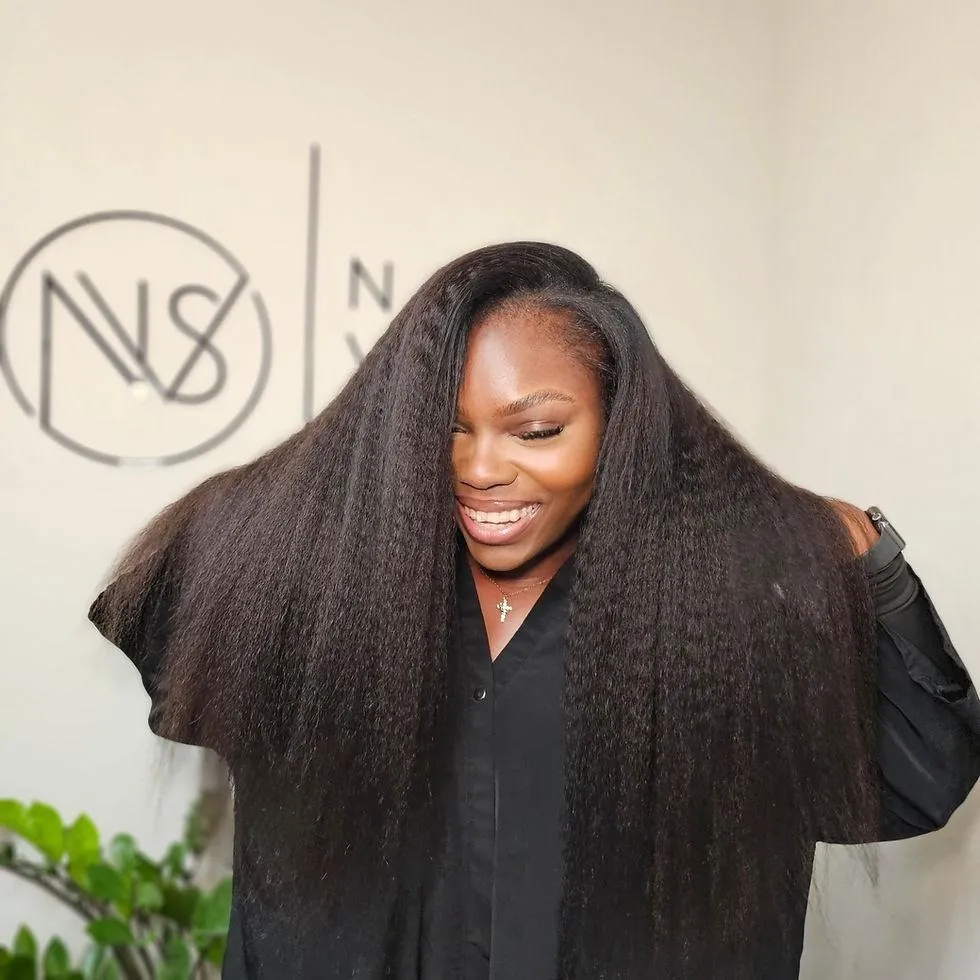
Texture also influences pricing. Creating a consistent kinky-straight, curly, or coily pattern may involve additional sorting or processing. Some extensions retain their naturally occurring texture, while others undergo treatments to create a particular appearance. Neither method automatically determines quality, but transparency about the process helps buyers understand what they’re purchasing. This is particularly important when selecting hair intended to match natural curls without extensive manipulation.
Fullness is another consideration. Double-drawn extensions are typically sorted to contain more similarly sized strands, producing thicker-looking ends than many single-drawn bundles. Bundle weight, length, weft construction, and quality-control practices also affect production costs. Established suppliers may charge more because of their sourcing standards, customer assistance, and after-sales support. Those services can add value, but the final question remains whether the product’s actual performance justifies its price.
2. Expensive vs. Affordable Hair Extensions: What Are You Really Paying For?
Affordable hair extensions aren’t necessarily poor quality, and expensive bundles aren’t guaranteed to be exceptional. The right choice depends on how frequently you wear extensions, the hairstyles you prefer, and how much maintenance you’re comfortable managing. Someone buying clip-ins for occasional weekends may have very different priorities from someone purchasing reusable bundles for regular sew-in installations.
For example, a budget-friendly set may provide excellent value for a temporary style, especially if the texture matches well and the construction is reliable. Premium extensions become more attractive when they offer measurable advantages, such as consistent fullness, dependable texture, lower maintenance requirements, or repeated usability. These benefits should be supported by product details and credible customer experiences rather than promotional descriptions alone.
|
Shopping Factor |
Affordable Extensions |
Premium Extensions |
|
Initial cost |
Lower upfront spending |
Higher upfront spending |
|
Hair quality |
Varies by supplier |
Varies; better specifications may justify price |
|
Texture consistency |
Requires evaluation |
Requires evaluation |
|
Shedding and tangling |
Depends on construction and care |
Depends on construction and care |
|
Reusability |
Depends on product durability |
Depends on product durability |
|
Overall value |
Excellent when quality meets your needs |
Excellent when longer use offsets the price |
One useful way to compare prices is to calculate cost per wear. Suppose a $120 extension set is used 12 times. That’s $10 per wear. Meanwhile, a $300 set used 60 times costs just $5 per wear. Although the second purchase initially seems expensive, it becomes more economical with repeated use. These figures are hypothetical and exclude installation, washing products, salon visits, and maintenance. Actual durability depends on the hair and how it’s handled.
Before spending extra, look beyond the product’s opening-day appearance. Search for customer reviews describing performance after several washes, detangling sessions, and installations. A beautiful unboxing video tells you little about long-term durability. Feedback from shoppers who have worn the hair repeatedly can be far more informative.
3. How to Identify Quality Hair Extensions Before Buying
Natural curls, coils, and textured-straight styles need more than an attractive product photograph to look convincing. The hair should complement your usual styling routine, blend with your leave-out when applicable, and behave predictably during maintenance. Shoppers considering Virgin Hair Extensions for Black Women should examine each product’s actual specifications and confirm its processing claims rather than relying on the category name or price alone.
Start with the texture and luster. Extremely shiny extensions may look appealing in studio photography but could stand out against naturally textured hair. If you’re purchasing kinky-straight bundles, compare their thickness and finish with your own blow-dried hair. For curly styles, examine the curl diameter, definition, and appearance after washing. Ask the seller whether the photographed hair is freshly styled, wet, or completely dry, as these conditions can change how the texture appears.
Next, investigate fullness and bundle construction. Two bundles advertised at the same length can look noticeably different depending on their weight and the proportion of shorter strands. Check the listed weight, examine photographs showing the ends, and ask whether the hair is single-drawn or double-drawn. Longer extensions can also appear less full because the same amount of hair is distributed over a greater length. Don’t assume one bundle will provide the coverage needed for your desired hairstyle.
Pay attention to shedding and tangling. A few loose strands during brushing or washing don’t automatically indicate defective hair. However, persistent matting, excessive shedding, or wefts that loosen unusually quickly may suggest construction or quality problems. Seek reviews that describe how the extensions behave during normal care, particularly after shampooing and air-drying.
Study customer photographs and independent feedback. Look for images taken in ordinary lighting, reviews from people with similar natural textures, and comments about repeated installations. Customer experiences can reveal information that professional product photos don’t show. Balanced reviews discussing both advantages and drawbacks are often more useful than generic five-star comments.
Finally, examine the purchasing terms. Confirm the advertised length, bundle weight, available colors, processing details, shipping arrangements, and return eligibility. Some retailers restrict returns once packaging seals are opened or products have been altered. Understanding those rules before checkout can prevent costly surprises. If important information is missing, contact customer support and evaluate how clearly your questions are answered.
4. When Are Expensive Natural Hair Extensions Worth the Investment?
Premium hair can be a sensible purchase when your lifestyle demands repeated wear and dependable styling. For someone who frequently installs sew-ins, wears clip-ins throughout the week, or maintains a consistent signature hairstyle, investing in reusable extensions may reduce the need for frequent replacements. However, longevity isn’t determined by price alone. Proper detangling, washing, storage, and professional installation all affect how well the hair holds up.
Texture matching is another reason some shoppers willingly spend more. A woman with dense 4B or 4C hair may prefer kinky-straight extensions that resemble her natural blowout rather than silky bundles that require additional heat styling to blend. Similarly, someone with defined curls might prioritize an extension pattern that closely matches her own. If a higher-priced product offers a better documented texture match, the added cost may be reasonable because it makes everyday styling easier and can reduce the need to manipulate natural hair.
Special occasions can also justify paying for greater predictability. Brides, graduates, and professionals preparing for important events often want hair that photographs beautifully and maintains its appearance throughout the day. In these situations, investing in a reliable product from a supplier with detailed specifications and responsive support may provide peace of mind. Still, an expensive purchase shouldn’t replace a trial installation or appropriate maintenance before the event.
Styling versatility matters, too. Some human hair products can accommodate curling, straightening, coloring, or different installations, but not every extension supports every technique. Chemically textured or previously processed hair may respond differently to heat and coloring. Confirm the manufacturer’s care instructions before attempting major changes, especially when purchasing costly bundles.
On the other hand, affordable extensions may be perfectly suitable when you’re experimenting with a new texture, trying a short-term hairstyle, or wearing added length only occasionally. Spending beyond your budget rarely makes sense when a reasonably priced product can achieve your desired result. The best investment is one that fits your needs without creating unnecessary financial pressure.
5. A Smart Shopper’s Checklist Before Purchasing Hair Extensions
Before placing an order, decide exactly what you need the extensions to accomplish. Are you trying to add volume to short natural hair, create a protective sew-in, or achieve a fuller curly hairstyle for special events? Your answer should determine the texture, length, installation method, and number of bundles you purchase. Shopping with a clear goal makes it easier to compare products and avoid paying extra for features you won’t use.
Use this practical checklist while comparing retailers:
-
Texture match: Does the curl, coil, or straight pattern complement my natural hair and styling routine?
-
Hair authenticity: Is the material genuinely human hair, and are processing claims clearly explained?
-
Bundle fullness: Are the weight, length, and density described accurately?
-
Customer feedback: Can I find detailed reviews and photographs from actual buyers?
-
Washing performance: Is there reliable information about how the texture behaves after cleansing?
-
Total cost: Have I included installation, additional bundles, maintenance products, and possible salon appointments?
-
Store policies: Are shipping times, return conditions, and customer-service procedures clearly stated?
-
Real value: Am I paying for demonstrated quality and useful features rather than branding alone?
Another helpful habit is to compare the same specifications across different sellers. For instance, don’t compare the price of one 18-inch bundle with an entire three-bundle package. Check whether both products have similar weights, textures, lengths, and construction. A lower advertised price may not represent a better deal if you need to purchase additional pieces to achieve sufficient fullness.
Ultimately, expensive natural hair extensions are worth buying when their performance, realistic texture, quality, and potential for repeated use justify the additional cost. Affordable options can also be excellent purchases when they satisfy your styling needs and meet reasonable quality standards. Rather than choosing the highest or lowest price automatically, focus on product transparency, credible reviews, and the full cost of ownership. Beautiful hair should feel like a worthwhile purchase, not an expensive gamble. A little research before checkout can help you choose extensions you’ll enjoy wearing long after the excitement of opening the package has passed.