
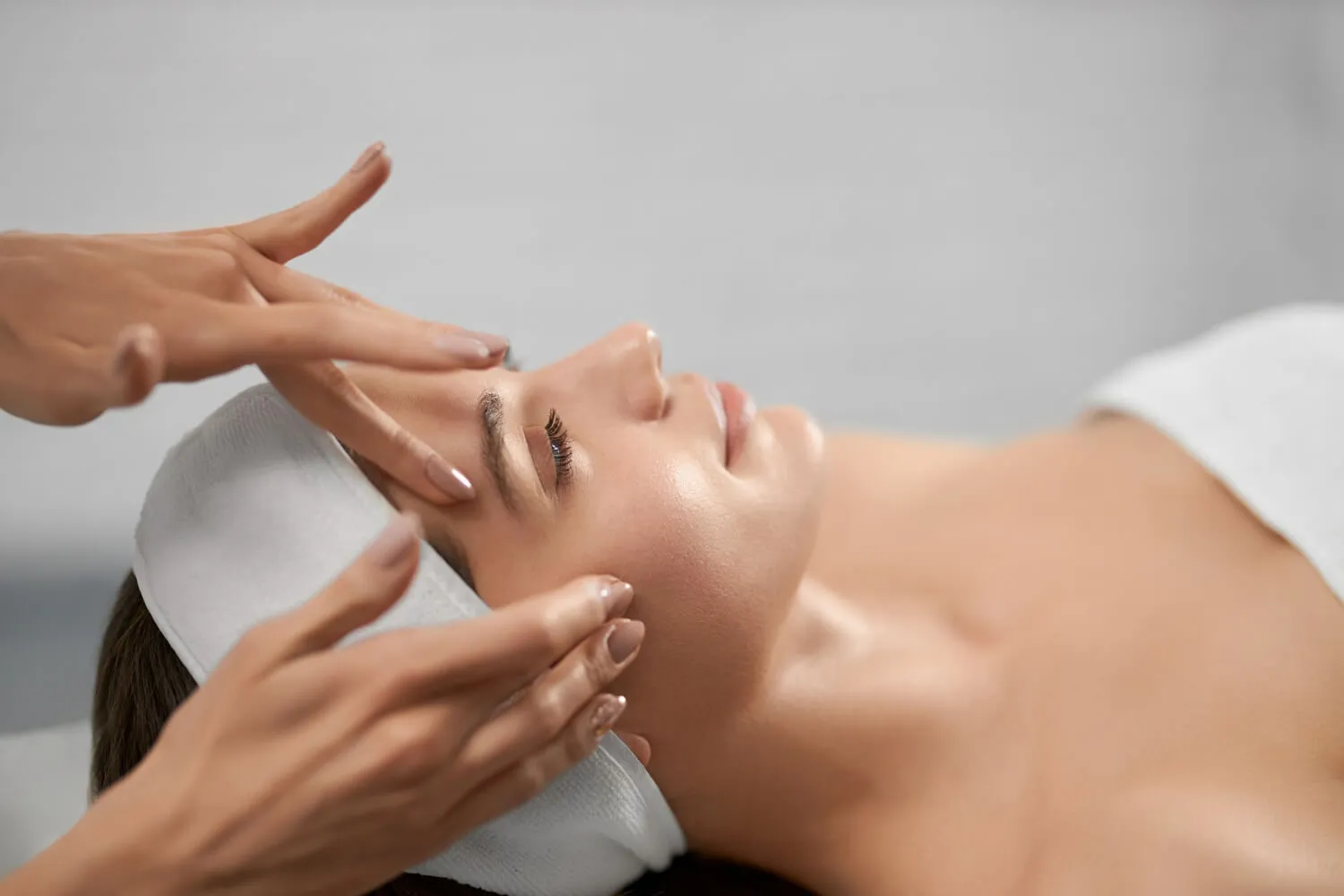
Skin changes throughout adulthood, sometimes in ways that ordinary skincare products cannot fully address. Fine lines become noticeable, facial contours change, and the complexion may appear tired despite consistent care. These developments often encourage people to explore professional aesthetic services. A cryo facial treatment is one option that uses controlled cooling to provide a refreshing facial experience. However, selecting a procedure should involve more than following beauty trends. Understanding personal concerns, treatment limitations, and professional safety standards helps people make decisions that fit their skin and lifestyle.
Identify What Is Actually Changing
Skin concerns can look similar while having different causes. Dehydration may contribute to temporary dullness, while reduced elasticity, sun exposure, and natural aging can influence firmness and texture.
Before scheduling an appointment, consider whether the main concern involves dryness, puffiness, fine lines, or noticeable laxity. Persistent irritation and unusual skin changes should be assessed by an appropriate healthcare professional rather than treated as routine cosmetic problems.
Understand What Facial Cooling Can Offer
Cooling-based facials expose the skin to controlled low temperatures for a limited period. Some people notice a temporary refreshed appearance or reduced puffiness following treatment, although responses vary.
These procedures should not be confused with medical cryotherapy used for removing skin lesions. Cosmetic cooling does not permanently shrink pores or reliably reverse structural aging. Providers should explain the equipment, potential side effects, and realistic benefits before treatment.
Ask Useful Questions During Consultation
A professional consultation helps determine whether a service fits an individual’s goals. It also provides an opportunity to identify medical considerations, current skincare products, and previous procedures that may affect suitability.
Before booking, consider asking:
-
What concern is this treatment intended to address?
-
How does the equipment work?
-
What temporary reactions might occur?
-
Are there conditions that make treatment unsuitable?
-
What aftercare is recommended?
These questions encourage informed decisions and help distinguish realistic expectations from exaggerated advertising.
Understand the Difference Between Firmness and Texture
A smoother-looking complexion does not necessarily mean the skin has become structurally firmer. Surface treatments may temporarily improve appearance, while procedures intended for skin laxity work through different mechanisms.
A skin tightening treatment may use radiofrequency energy to heat targeted tissues and encourage collagen remodeling. Results are typically gradual and variable. Such procedures are not equivalent to surgical lifting, and suitability depends on individual anatomy and medical history.
Consider Your Skin’s Sensitivity
People with sensitive or reactive skin should approach new procedures carefully. Conditions involving impaired circulation, cold sensitivity, active inflammation, or certain medical concerns may affect whether cooling treatments are appropriate.
Energy-based treatments have their own considerations, including potential burns, irritation, and pigment changes. Qualified providers should assess relevant risks and explain precautions rather than assuming every non-invasive procedure is suitable for everyone.
Support Your Skin Between Appointments
Professional services cannot replace everyday skincare habits. Gentle cleansing, appropriate moisturizing, and broad-spectrum sunscreen remain useful for maintaining the skin’s condition.
Avoid introducing several strong exfoliating products immediately before or after an aesthetic procedure. Following individualized instructions can reduce irritation. Good sleep and general health habits support wellbeing, although they cannot guarantee particular cosmetic results.
Make Treatment Decisions Around Your Schedule
Aesthetic appointments should fit comfortably into daily responsibilities. While some non-invasive procedures involve limited recovery time, temporary redness, sensitivity, or swelling can still occur.
Ask whether makeup, exercise, sun exposure, or certain skincare ingredients should be avoided afterward. Scheduling a first treatment immediately before an important occasion may be unwise when the individual response is unknown.
Evaluate Results Without Comparing Yourself to Others
Before-and-after photographs can demonstrate possible changes, but lighting, camera angles, and individual skin characteristics influence how results appear.
A useful evaluation focuses on the concern discussed during consultation. Subtle improvements may be more realistic than dramatic transformations. Clients should feel comfortable declining additional sessions when benefits do not justify the expense or inconvenience.
Conclusion
Choosing a facial aesthetic procedure requires understanding what the skin needs and what each treatment can reasonably accomplish. Cooling-based services and radiofrequency treatments address different cosmetic concerns, making individualized assessment essential. Professional qualifications, potential risks, and appropriate aftercare deserve as much attention as the desired appearance. People exploring non-surgical facial services can find information about available treatments and spa locations through iconicspa.com. A thoughtful approach allows individuals to make decisions based on their own preferences, realistic expectations, and comfort rather than temporary beauty trends or pressure to achieve flawless skin.