
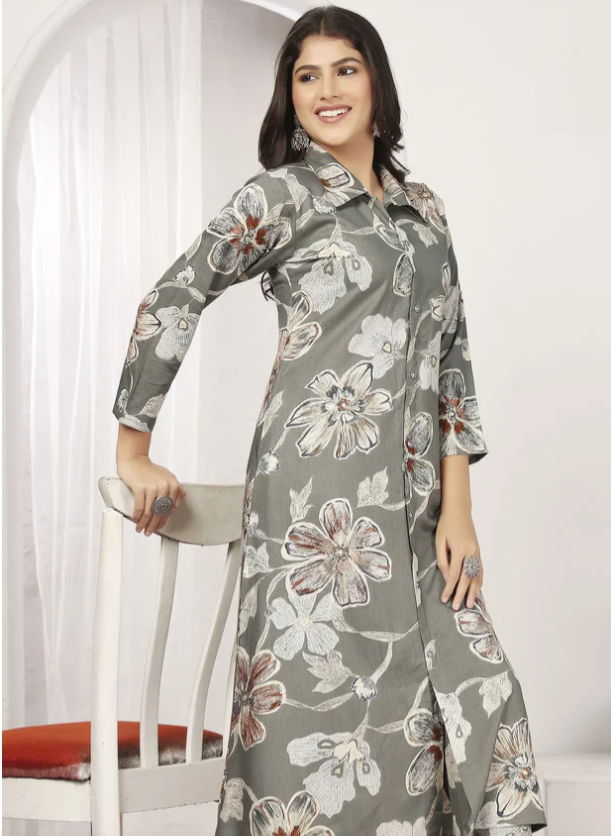
Ethnic fashion has undergone remarkable transformation in recent years as designers seek to combine traditional aesthetics with modern comfort. Today’s fashion enthusiasts often prefer outfits that offer both elegance and practicality. One of the most successful combinations in contemporary ethnic wear is pairing a kurti for women with the relaxed elegance of a palazzo suit.
This pairing has gained immense popularity because it creates a stylish outfit that is comfortable enough for everyday wear while still maintaining a traditional charm.
The Versatility of Kurtis in Modern Wardrobes
The kurti for women has become a wardrobe essential because of its adaptability. Kurtis come in a wide variety of styles, lengths, fabrics, and designs, allowing them to be worn for different occasions.
Short kurtis can be paired with jeans or trousers for casual outings, while longer embroidered kurtis are often worn for festive celebrations. The flexibility of this garment makes it suitable for both traditional and contemporary styling.
Kurtis are also popular because they are easy to wear and can be styled in multiple ways without requiring complex draping or layering.
The Rise of Palazzo Suits
A palazzo suit typically consists of wide leg trousers paired with a kurti and sometimes a matching dupatta. The defining feature of palazzo pants is their loose and flowing silhouette.
Unlike fitted bottoms such as churidars or leggings, palazzo pants provide greater freedom of movement. This makes them particularly comfortable for long hours of wear.
The relaxed fit also creates a graceful appearance that complements the structure of the kurti.
Perfect Balance Between Comfort and Style
The combination of a kurti and palazzo suit offers the perfect balance between elegance and practicality. The wide leg trousers allow for easy movement while the kurti provides a structured upper silhouette.
This combination works well for a variety of occasions including office wear, casual gatherings, festive celebrations, and cultural events.
Many women appreciate this outfit because it allows them to remain comfortable throughout the day without sacrificing style.
Fabric Choices and Design Variations
Designers experiment with a wide range of fabrics when creating kurti and palazzo outfits. Cotton and linen fabrics are commonly used for everyday wear because they are breathable and lightweight.
For festive occasions, more luxurious fabrics such as silk, chiffon, and georgette are often used to create elegant palazzo suits.
Embellishments such as embroidery, mirror work, and printed patterns can transform a simple outfit into a sophisticated ensemble.
Styling the Kurti and Palazzo Combination
Accessories play a crucial role in enhancing the appearance of a kurti and palazzo outfit. Statement earrings, embroidered handbags, and traditional footwear such as juttis or sandals can elevate the look.
Dupattas with decorative borders or intricate embroidery can also add an extra layer of elegance.
Many women experiment with layering techniques by adding jackets, belts, or scarves to create contemporary variations of the outfit.
Ideal for Modern Lifestyles
One of the reasons the palazzo suit has become so popular is its compatibility with modern lifestyles. Women today often need outfits that can transition easily from daytime activities to evening events.
The kurti and palazzo combination offers this versatility. A simple cotton outfit can be worn during the day, while a more elaborate embroidered version can be styled for evening gatherings.
The Future of Comfortable Ethnic Fashion
As fashion continues to evolve, comfort focused ethnic wear is likely to remain an important trend. Designers are constantly exploring new silhouettes and fabrics that maintain cultural authenticity while providing modern convenience.
The pairing of a kurti for women with a palazzo suit represents this shift toward practical elegance.
This combination demonstrates how traditional garments can adapt to contemporary lifestyles while preserving their cultural significance.